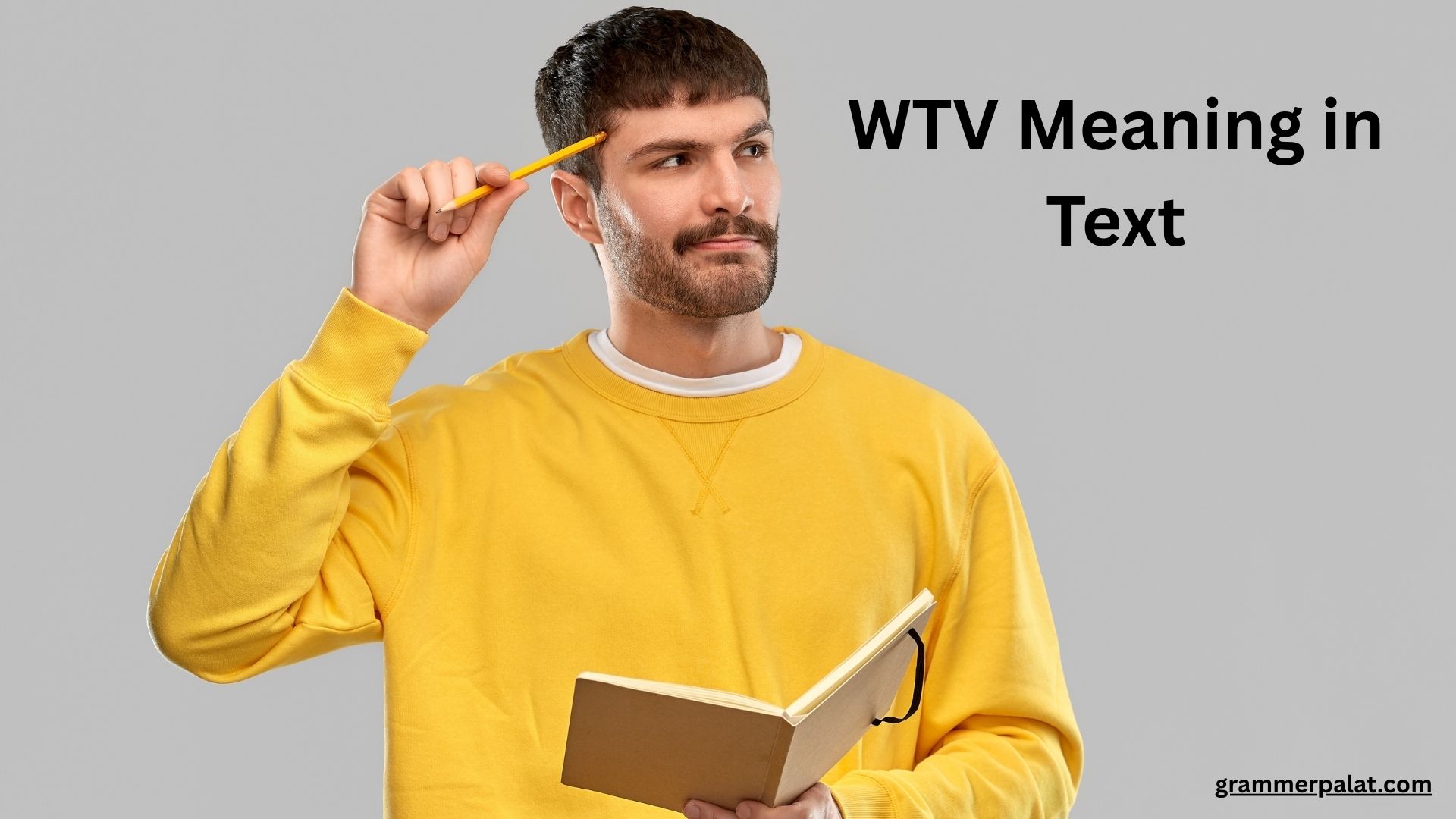
Digital communication changes faster than almost any part of language. One day you’re texting a friend without a second thought, and the next you’re staring at an abbreviation you’ve never seen before. If you’ve ever paused mid-conversation and asked yourself “What does WTV mean in texting?” you’re not alone.
This small acronym pops up everywhere TikTok comments, Instagram captions, Snapchat streaks, and casual chats between friends.
The problem? “WTV” carries more weight than it appears. Its tone shifts wildly depending on context, punctuation, and even the personality of the person who sends it.
Sometimes it means “whatever,” sometimes it signals mild annoyance, and sometimes it’s just a quick way to end an unnecessary back-and-forth.
This article explains the full WTV meaning in text, explores how different generations use it, breaks down its tone variations, and gives you real-world examples you can apply immediately.
You’ll also see a clear table showing how the abbreviation changes depending on mood, punctuation, and platform.
Let’s dive in.
What Does WTV Mean in Text?
When people ask what does wtv or search “what do wtv mean in text”, the answer is surprisingly simple:
WTV means “whatever.”
It’s a short, fast, casual abbreviation people use to show:
- Indifference
- Neutral acceptance
- Mild annoyance
- “Do what you want” energy
- A desire to drop the topic
Because it’s short and typed fast, “wtv” can sound harsher than people intend. The meaning shifts with context. For example:
- “Wtv works for me!” feels friendly.
- “Wtv.” with a period feels annoyed.
- “wtv…” looks passive or disappointed.
- “WTV!!” reads like someone snapping.
This flexibility is what makes people confused when they Google wtv meaning or what does wtv mean in texting. The abbreviation itself is simple the tone behind it is not.
The Origins and Evolution of WTV
“WTV” didn’t appear out of nowhere. It came from the early days of text messages when people had to type on phones with tiny keypads. Every letter took time. Every extra word felt like work. Shortcuts became a survival tool.
Here’s how “WTV” evolved:
- Early 2000s: People relied on SMS, so abbreviations like “LOL,” “BTW,” and “WTV” grew popular.
- 2010–2015: Smartphones made typing faster but social media sped up slang. Teens adopted shorter versions of everyday words to match the pace of online communication.
- 2020 onward: Platforms like TikTok, Snapchat, and Instagram cemented “WTV” as a common shorthand for whatever. Younger users favor short responses, and acronyms feel natural to them.
The meaning stayed the same, but the tone transformed with digital culture. The abbreviation now signals mood more than meaning.
How WTV Is Used in Modern Texting
You can find wtv meaning in text in plenty of contexts. It’s versatile, quick, and vague enough to be useful. But it doesn’t always communicate the same message.
Here are the most common ways people use it today.
To show neutrality
Sometimes you genuinely don’t care which option someone picks.
Example:
“We can eat Korean or Mexican food.”
“Wtv, I’m cool with both.”
To show indifference
You’re okay with either outcome but don’t want drama.
“Pick something for the movie night.”
“wtv works.”
To end a conversation
People sometimes use “wtv” to close a topic without sounding aggressive.
“I think we should just drop it.”
“Yeah, wtv.”
To avoid arguments
It’s a quick escape hatch.
“You’re overreacting.”
“Wtv.”
To dismiss something
This is the sharp version.
“I told you I didn’t mean it.”
“Wtv.”
To save time
Short messages dominate digital communication. “Wtv” simply keeps things fast.
Tone Variations: What WTV Really Communicates
Tone is everything. You can send the same word to two different people and get wildly different reactions. This is why people often search for what does wtv mean in texting when they sense tension in a conversation.
Here’s how punctuation and capitalization change the message.
Neutral
wtv
Feels casual and harmless. More like: “I don’t mind.”
Dismissive
WTV.
The period adds weight. It communicates irritation or distance.
Frustrated
wtv…
Three dots usually mean “I’m disappointed but not fighting about it.”
Sarcastic
WTV!!
Double exclamation marks feel dramatic, playful, or mocking depending on the relationship.
Playful
wtv lol
This version softens the meaning and keeps the conversation friendly.
All Possible Meanings of WTV (Real, Not Invented)
Some websites invent fake meanings for acronyms. This guide keeps things real. Here are the actual accepted meanings of “WTV.”
| Meaning | Where It’s Used | Explanation |
|---|---|---|
| Whatever | Texting, social media | Main meaning |
| Worth the visit | Travel blogs, restaurant reviews | Rare but used |
| Weather | Aviation, meteorological shorthand | Very niche |
| Watch TV | Casual conversation | Context-based |
If you’re wondering “what do wtv mean in text”, 99% of the time the correct answer is whatever.
The other meanings require extremely specific contexts. If someone texts “Let’s wtv tonight”, they’re not talking about the weather. They almost certainly mean “whatever.”
When You Should Use WTV
Understanding when to use slang matters because tone misfires can create confusion or conflict.
Use WTV When…
- You’re talking casually with friends
- You don’t have a strong opinion
- You want someone else to pick
- The topic isn’t important
- You’re okay with either option
Examples:
“Pizza or burgers?”
“Wtv, you pick.”
“Should I wear the green sweater or the black one?”
“wtv looks good.”
When You Should Avoid WTV
Some moments call for clarity and respect. “WTV” isn’t great for those.
Avoid WTV When…
- Messaging your boss or coworkers
- Talking to teachers or professors
- Discussing sensitive topics
- Handling conflicts
- Sending formal emails
- You suspect the recipient might misunderstand your tone
Examples of bad usage:
Emailing your manager:
“We can meet at 2 or 3 p.m., wtv.”This sounds careless.
Responding to a partner during a disagreement:
“I’m trying to explain why that hurt me.”
“WTV.”This sounds dismissive and cold.
Similar Slang Terms and How They Compare to WTV
Many abbreviations work similarly to “WTV” but carry different tones.
Here’s a helpful table.
| Slang | Meaning | Tone | When to Use |
|---|---|---|---|
| WTV | Whatever | Neutral, annoyed, or indifferent | Casual chats, low-stakes choices |
| IDC | I don’t care | Stronger, more direct | When you truly don’t care |
| IDK | I don’t know | Uncertain | When unsure about something |
| IG | I guess | Soft uncertainty | When leaning toward something |
| TBH | To be honest | Honest, direct | Sharing opinions honestly |
| FR | For real | Emphasis or agreement | When reacting strongly |
| SMH | Shaking my head | Disapproval | When something seems silly |
Understanding the differences keeps you from sounding accidentally rude.
Common Mistakes People Make With WTV
Miscommunication happens often because abbreviations lack vocal tone and facial expressions. These are the mistakes that cause the most confusion.
Using It in Emotional Conversations
“WTV” can feel cold in serious moments.
Assuming Everyone Understands It
Older readers sometimes think it means something else entirely.
Using It at Work
Slang rarely belongs in professional conversations.
Thinking It Always Means ‘Whatever’
In niche fields like travel or aviation, it means something completely different.
Adding Harsh Punctuation Without Realizing
Periods and ellipses change the tone dramatically.
Cultural & Generational Differences in How WTV Is Used
Different age groups interpret slang differently.
Gen Z (ages ~12–25)
- Uses “wtv” constantly
- Treats it as a neutral term
- Rarely finds it offensive
Millennials (ages ~26–40)
- Understand it but read tone more seriously
- Might think it sounds dismissive
Gen X & Older Adults
- Often interpret “wtv” as rude or uninterested
- Might prefer the full word “whatever” or a more complete response
Platform culture also changes meaning:
- TikTok: Playful and light
- Instagram DM: Casual
- Snapchat: Neutral or flirty
- Facebook: Less common and sometimes judgmental
- Email: Not appropriate
If you’re unsure whether to use it, default to full sentences.
WTV vs. “Whatever”: Are They the Same?
They both express indifference, but they don’t feel the same.
WTV
- Short
- Faster
- More modern
- Sometimes sharper
- Can sound emotionless
Whatever
- More formal
- Softer in some cases
- Can express serious frustration
- Easier to understand tone because of additional context
Example:
“Whatever, I don’t care.” (clear frustration)
“wtv.” (ambiguous could be calm or irritated)
Both mean the same thing, but the emotional impact changes depending on how you use them.
Real Conversation Examples Using “WTV”
Examples help clarify the wtv meaning in text, especially when tone matters. Here are realistic scenarios showing how it appears in everyday conversations.
Friendly Chat Example
Amelia: “Should we go for sushi or pasta tonight?”
Rico: “wtv, I like both.”
Tone: Light, agreeable.
Annoyed Response Example
Jordan: “You always think you’re right.”
Casey: “WTV.”
Tone: Irritated, conversation ending.
Sarcastic Example
Maya: “I only took three hours to get ready.”
Tara: “WTV lol, you always do.”
Tone: Playful sarcasm.
Neutral Example
Eli: “Should I bring chips or soda to the party?”
Noor: “Wtv works.”
Tone: Indifferent but polite.
Dating/Relationship Example
Zack: “Why are you upset?”
Lena: “I’m not… wtv.”
Tone: Hurt or defensive.
Social Media Comment Example
User1: “This movie is overrated.”
User2: “Wtv, it’s still my favorite.”
Tone: Casual disagreement.
Quick Reference Table: How to Interpret WTV
This cheat sheet helps you decode the tone behind the abbreviation.
| Tone | How It Usually Looks | Meaning | Best Response |
|---|---|---|---|
| Neutral | wtv | I don’t mind | Pick an option |
| Dismissive | WTV. | Leave me alone | De-escalate or drop topic |
| Annoyed | wtv… | I’m upset | Ask if something’s wrong |
| Sarcastic | WTV!! | Playful drama | Respond humorously |
| Playful | wtv lol | Soft teasing | Keep it friendly |
Case Study: How One Text Changed the Conversation
Consider this exchange between two coworkers, Jenna and Malik.
Scenario: They’re planning a team lunch.
Jenna: “Where should we go tomorrow? I’m thinking Thai or Italian.”
Malik: “wtv.”
Jenna interprets this as Malik being annoyed or uninterested. She assumes he doesn’t want to attend the lunch. She messages another colleague to plan without him.
Reality: Malik meant “whatever works, I’m fine with both.” He was simply typing fast between tasks.
The misunderstanding created unnecessary tension, and Malik later said he felt left out.
Key takeaway:
Slang abbreviations like “wtv” can accidentally send the wrong message in professional or semi-formal settings. Context is everything.
Conclusion:
Language constantly evolves, and abbreviations like WTV are now a natural part of texting culture. When someone asks “what does wtv mean in texting”, the simple answer is “whatever.” But the emotional meaning behind it shifts with tone, punctuation, and relationship dynamics.