Money often tells a story about a country. Look closely at a nation’s currency and you’ll discover history, politics, culture, and even geography woven into its design. That’s exactly the case with the krone, often called kroner in plural form.
Many travelers, investors, and students ask the same question: what is a kroner? The answer is simple on the surface yet fascinating once you dig deeper. The term refers to a group of currencies used across several Nordic countries. These currencies share similar roots, similar names, and similar symbols.
If you plan to travel to Northern Europe or simply want to understand global currencies better, learning about the krone and kroner currencies offers valuable insight into the Scandinavian economy.
This guide explores the meaning, history, value, and modern usage of the krone. Along the way, you’ll also learn interesting facts about how this currency influences global finance and everyday life in the Nordic region.
What Is a Kroner?
Let’s start with the basic question: what is a kroner?
A krone is a unit of currency used in several Scandinavian countries. When referring to more than one unit, people say kroner. The word comes from the Scandinavian term for “crown.”
Several countries use a version of this currency today:
- Denmark – Danish krone (DKK)
- Norway – Norwegian krone (NOK)
- Sweden – Swedish krona (SEK)
- Iceland – Icelandic króna (ISK)
Although each nation manages its own currency independently, they all share historical origins dating back to the Scandinavian Monetary Union of the nineteenth century.
The krone functions just like any other currency. People use it to buy goods, pay wages, trade internationally, and measure economic value.
Singular vs. Plural Forms
Understanding the grammar helps avoid confusion.
| Form | Meaning | Example |
|---|---|---|
| Krone | One unit of currency | 1 Danish krone |
| Kroner | Multiple units | 50 Norwegian kroner |
A traveler in Oslo might say:
“This sandwich costs 65 kroner.”
Countries That Use the Krone Currency
Several Nordic nations still rely on their own versions of the krone. Each currency carries unique characteristics shaped by national economies and political decisions.
Danish Krone (DKK)
The Danish krone serves as the official currency of Denmark.
Denmark joined the European Union yet chose not to adopt the euro. Instead, it maintains its own currency while keeping it closely tied to the euro through a fixed exchange rate policy.
Key Facts About the Danish Krone
- Currency code: DKK
- Symbol: kr
- Introduced: 1875
- Exchange rate mechanism: pegged to the euro
Denmark’s central bank, Danmarks Nationalbank, manages the krone to keep it stable relative to the euro.
| Currency | Code | Symbol |
|---|---|---|
| Danish Krone | DKK | kr |
This stability helps Denmark maintain predictable trade relationships with European partners.
Norwegian Krone (NOK)
Norway uses the Norwegian krone, one of the strongest currencies in Northern Europe.
The country’s large oil and natural gas reserves strongly influence its currency value. Because energy exports generate huge revenue, Norway maintains one of the world’s largest sovereign wealth funds.
Key Facts About the Norwegian Krone
- Currency code: NOK
- Symbol: kr
- Introduced: 1875
- Managed by: Norges Bank
Economists often refer to the Norwegian krone as a “petro-currency.” Oil prices can influence its value significantly.
| Currency | Code | Symbol |
|---|---|---|
| Norwegian Krone | NOK | kr |
For updated exchange rates, financial analysts frequently consult
https://www.xe.com/currencyconverter/
Swedish Krona (SEK)
Sweden uses the krona, a closely related currency. While the spelling differs slightly, the meaning remains the same: crown.
Sweden maintains an independent monetary policy through the Riksbank, one of the oldest central banks in the world.
Key Facts About the Swedish Krona
- Currency code: SEK
- Symbol: kr
- Introduced: 1873
- Central bank: Sveriges Riksbank
Sweden once considered adopting the euro. A national referendum in 2003 rejected the proposal, so the country kept the krona.
Icelandic Króna (ISK)
Iceland’s version of the currency, the króna, reflects the island nation’s unique economic story.
The country experienced a major financial crisis in 2008, which severely affected its currency. However, strong tourism growth helped stabilize the economy afterward.
Key Facts About the Icelandic Króna
- Currency code: ISK
- Symbol: kr
- Central bank: Seðlabanki Íslands
Despite being a smaller economy, Iceland’s currency remains an important symbol of national independence.
The History of the Krone Currency
The answer to what is a kroner becomes more interesting when you examine its historical roots.
In the nineteenth century, Scandinavian countries wanted easier trade. Different currencies complicated business across borders. So leaders created a unified monetary system.
The Scandinavian Monetary Union
The Scandinavian Monetary Union formed in 1873.
Denmark and Sweden launched the system first. Norway joined two years later. All member nations adopted a shared currency concept called the krone.
The system relied on the gold standard, meaning currency value was tied directly to gold reserves.
Timeline of Important Events
| Year | Event |
|---|---|
| 1873 | Denmark and Sweden create the union |
| 1875 | Norway joins the system |
| 1914 | Union collapses due to World War I |
Although the union dissolved, the countries continued using their own versions of the currency.
Why the Krone Was Introduced
Before the krone existed, Nordic nations used different currencies such as the rigsdaler.
Multiple currencies made trade difficult. Merchants had to constantly convert prices.
The new currency solved several problems:
- simplified regional trade
- stabilized exchange rates
- improved economic cooperation
The krone quickly became a recognizable symbol of the Nordic economic system.
How Much Is a Krone Worth?
Currency values fluctuate daily due to global financial markets. Exchange rates change based on economic conditions, interest rates, and international trade.
As of recent global averages, approximate values often look like this:
| Currency | Approximate Value |
|---|---|
| 1 USD | 10–11 Norwegian kroner |
| 1 USD | 6–7 Danish kroner |
| 1 USD | 10–11 Swedish kronor |
These values change constantly, which explains why travelers often check exchange rates before visiting Scandinavia.
Factors That Influence Krone Value
Several economic forces influence the strength of these currencies:
- Oil prices affecting Norway
- Interest rate decisions by central banks
- Global trade trends
- Inflation levels
Because Norway exports large amounts of energy, rising oil prices often strengthen the Norwegian krone.
Coins and Banknotes Used in Kroner
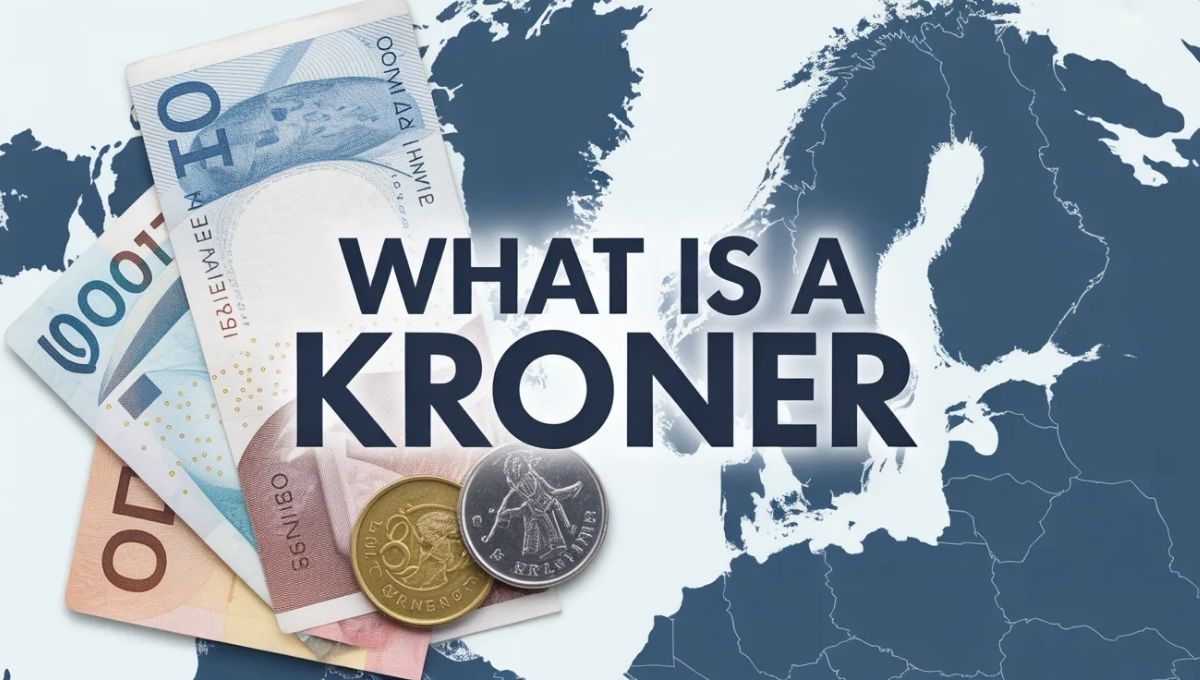
Like most modern currencies, the krone appears in both coins and paper banknotes.
Common Krone Coins
Typical coin denominations include:
- 1 krone
- 5 kroner
- 10 kroner
- 20 kroner
Coins often feature national symbols such as royal crowns, animals, or historical figures.
Banknotes
Banknotes come in larger values.
| Banknote | Common Use |
|---|---|
| 50 kroner | Small purchases |
| 100 kroner | Groceries |
| 200 kroner | Transportation or meals |
| 500 kroner | Shopping |
| 1000 kroner | Larger payments |
Modern banknotes also include advanced security features, including holograms and watermarks.
Why Nordic Countries Did Not Adopt the Euro
Many European Union members use the euro. Yet several Scandinavian countries decided to keep their own currency.
Economic Independence
Maintaining a national currency allows governments to control interest rates and monetary policy.
That flexibility helps respond quickly to economic changes.
Public Opinion
Some countries held referendums about adopting the euro.
Sweden’s 2003 vote rejected the change. Citizens preferred maintaining the krona.
Strong Domestic Economies
Countries like Norway possess strong natural resource industries. Leaders felt confident maintaining their own currency.
Krone vs Krona vs Crown
Many people confuse these terms. Understanding the differences helps answer the question what is a kroner more clearly.
| Term | Region | Meaning |
|---|---|---|
| Krone | Denmark and Norway | Currency unit |
| Krona | Sweden | Currency unit |
| Króna | Iceland | Currency unit |
| Crown | English translation | Literal meaning |
Despite spelling differences, all versions share the same origin.
The word “crown” reflects historical ties to European monarchies.
Using Kroner in Everyday Life
To understand the currency better, imagine daily life in Norway.
A typical traveler visiting Oslo might encounter prices like these:
| Item | Cost |
|---|---|
| Coffee | 40–50 kroner |
| Bus ticket | 60 kroner |
| Lunch meal | 120–180 kroner |
| Dinner in restaurant | 250–400 kroner |
Scandinavian countries rank among the most expensive places to live, which explains the relatively high prices.
However, strong wages and social benefits balance the cost of living for residents.
Interesting Facts About the Krone Currency
Several surprising details make this currency fascinating.
The Meaning Comes from Royal Crowns
The word krone literally translates to crown, symbolizing monarchy and sovereignty.
Norway’s Currency Depends on Oil
Economists frequently describe the Norwegian krone as a commodity-linked currency. Oil exports influence its strength.
Denmark Pegs Its Currency to the Euro
Although Denmark kept its own currency, it maintains a tight exchange rate with the euro.
Scandinavian Currencies Share a Symbol
All versions of the currency use the symbol kr.
Krone in Global Finance
Beyond tourism, the krone plays a role in international financial markets.
Forex Trading
Foreign exchange traders buy and sell Nordic currencies daily.
Major trading codes include:
- NOK – Norwegian krone
- DKK – Danish krone
- SEK – Swedish krona
- ISK – Icelandic króna
Investors analyze economic indicators to predict currency movements.
Investment Perspective
Financial analysts monitor several factors:
- oil production in Norway
- inflation levels in Sweden
- trade policies in Denmark
- tourism growth in Iceland
Currency traders often use platforms like
https://www.investing.com/currencies/
Case Study: Norway’s Currency During Oil Price Changes
Norway offers a clear example of how global markets affect currency value.
In 2020, oil prices dropped sharply due to reduced global demand. As a result, the Norwegian krone weakened against the US dollar.
However, when oil demand recovered, the currency strengthened again.
This relationship highlights how natural resources can shape currency strength.
Quick Summary of the Krone Currency
| Feature | Details |
|---|---|
| Meaning | Crown |
| Countries Using It | Denmark, Norway, Sweden, Iceland |
| Symbol | kr |
| Introduced | 1870s |
| Origin | Scandinavian Monetary Union |
The krone remains one of the most recognizable currencies in Northern Europe.
Frequently Asked Questions About Kroner
What is a kroner in US dollars?
The value changes constantly. On average, 1 US dollar equals roughly 10 Norwegian kroner though rates fluctuate daily.
Why is the currency called krone?
The name comes from the Scandinavian word for crown, reflecting historic monarchies.
Is krone the same as krona?
They share the same origin yet belong to different countries.
- Norway and Denmark use krone
- Sweden uses krona
Which country has the strongest krone?
Norway often has the strongest currency due to energy exports and economic stability.
Can tourists use euros instead?
Most businesses expect payment in the local currency. However, some tourist areas may accept euros.
Final Thoughts
Understanding what is a kroner opens a window into Scandinavian economics and history.
The krone represents far more than a simple unit of money. It reflects centuries of political alliances, regional cooperation, and economic independence. From the nineteenth-century monetary union to today’s modern financial systems, the currency continues to play a central role in Nordic life.
Whether you plan to travel, study international finance, or simply explore world currencies, knowing how the krone and kroner system works adds valuable global awareness.